


How Could the 2026 Autumn Budget Affect Businesses?

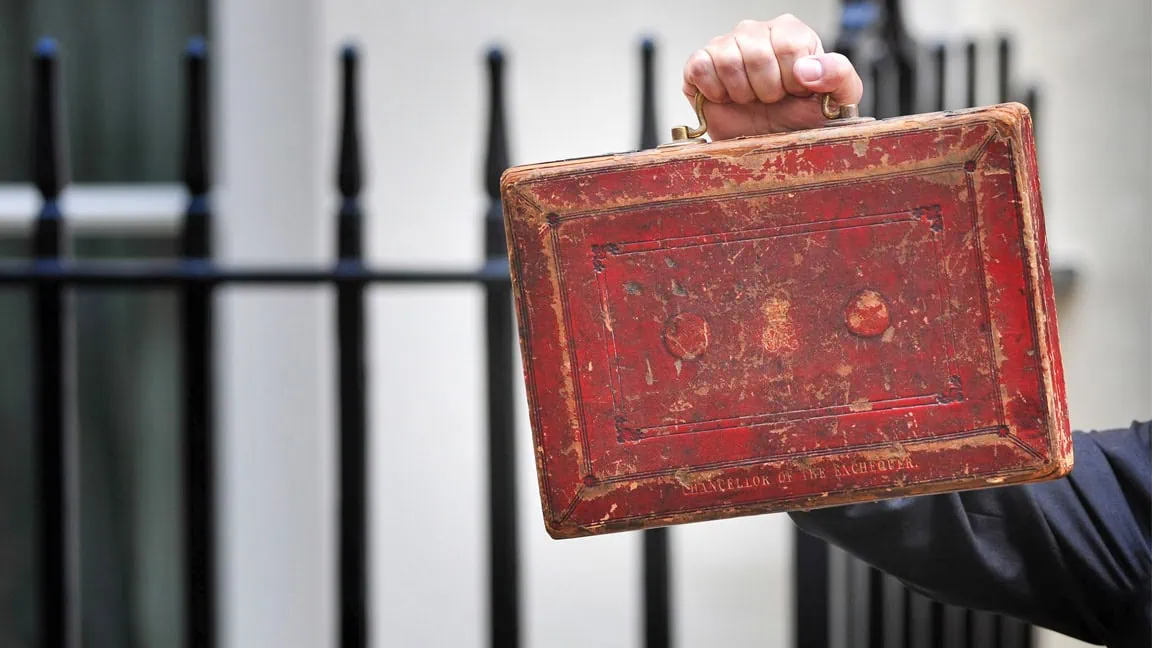
On Wednesday, 28th October 2026, the Government announced this year’s Autumn Budget. It contained a range of measures aimed at helping with energy bills and aids to devolution, as well as changes to tax thresholds, including Capital Gains Tax (CGT).
So, what do these changes mean for businesses and individuals?
Changes to business taxes
Most of the major changes to CGT announced in the 2024 Autumn Budget have now come into effect. This budget announced more changes to CGT and Business Asset Disposal Relief (BADR), along with amendments to other taxes and limits, with some new reliefs and measures being added.
- Increase in high street business rate threshold
In England, high street business rates’ eligibility threshold will increase to £18,000. No rates would be paid on properties with a lower rateable value. - Import tax changes
Import tax is to be removed from more than one hundred food products, as well as fertilisers and jet fuel. - Mileage rate changes
The mileage rate for those driving up to 10,000 miles for work will be permanently set at 55p per mile. Above that distance, the rate will rise to 35p per mile from 25p. - Surcharge on bank profits
Starting in January 2027, banks will pay a 6% surcharge on their profits for 15 months (up from 3%). - Gambling centres and vape shops
Adult gaming centres and vape shops will no longer be eligible for certain business rate relief. Taxes on gambling machines with stakes over £1 will increase to 25%, up from 20%. - VAT collection for online marketplaces
Online marketplace retailers (including eBay, Temu, and Amazon) will become responsible for the collection of VAT from sellers on their sites. - Increase in Trading Allowances
From April 2027, the Trading Allowance will increase from £1,000 to £3,000. The reporting threshold for Self-Assessment will also rise to £3,000. - Change in Company Car Tax rates
Upcoming legislation will set Company Car Tax rates for the 2030-31 tax year. Percentages for all vehicle bands will increase by 1% per year from 2030-31, up to a maximum of 40%. Percentages for zero emissions vehicles will also increase by 1%. - Corporation Tax
From April 2028, Corporation Tax will remain at a main rate of 25%, and a small profits rate of 19%. - Proposed relief for ‘innovative’ companies
A new Founders’ Relief was announced, supporting founders and those who have made significant contributions to establishing and growing companies deemed ‘innovative’ or ‘high growth’, and providing them a lower CGT rate. This measure is currently under consultation and intended to take effect from April 2027. - Limits on Business Asset Disposal Relief (BADR)
Further limits will be placed on how much BADR can be claimed in a lifetime. The lifetime limit on qualifying gains per individual will decrease from £1,000,000 to £500,000 and will apply to qualifying disposals from 6 April 2027. This could affect the amount of CGT shareholders pay when closing a solvent company through a Members’ Voluntary Liquidation (MVL).
More information on MVLs - Gift Holdover Relief reform
Modernisation of the formula that restricts Gift Holdover Relief on the disposal of qualifying shares or assets, so it includes assets that qualify for the substantial shareholding exemption, and assets within the intangible fixed assets regime. - Disqualification for tax offences
If a director is found guilty of certain tax offences under HMRC securities legislation, a court can disqualify them from acting as a company director for up to five years. This change was announced in 2025 and will come into force from April 2027. - Changes to Alcohol Duty rates
From 1 February 2027, Alcohol Duty rates will increase on alcoholic products in line with inflation. From Spring 2027, HMRC’s changed late submission and payment penalties will apply to Alcohol Duty, bringing it in line with those for VAT and Self-Assessment. - Relief for small alcohol producers
Small Producer Relief will increase by relative value, making the discount taper more generous for alcoholic products below 3.5% Alcohol by Volume (ABV). Marginal discounts will increase for products over 3.5% ABV.
Changes to energy bills
With the cost-of-living crisis still affecting many, The Budget included several changes around energy bills for individuals and businesses.
- Standing charges
Standing charges will be removed from household gas bills and added to the unit rates in England, Scotland, and Wales. - Bills reduced for energy-intensive businesses
Through a new scheme launching in April, 25% will be removed from electricity bills for 10,000 energy-intensive businesses. Additionally, payments are to be backdated to cover energy costs from this year. - VAT cut extension for electricity bills
The VAT cut to electricity bills will extend to July 2027.
More advice for repaying your business’s energy bills
Minimum Wage changes
The minimum wage is set to increase by 3.9% across the board in April, and while employees may welcome the extra pay, it could threaten businesses currently struggling to pay their existing outgoings.
- 21 and over
Over 21s will receive the National Living Wage, which will increase by 50p to £13.21. - 18–20-year-olds
Employees aged between 18 and 20 will see their minimum wage increase by 42p to £11.27.
Devolution-related changes
English-based mayors and regional bodies will have greater powers over spending on housing, transport, and high streets.
- Local retention of business rates
By the end of the 2020s, business rates will be retained locally. Local mayors will keep 20% of revenue from business rates from 2027, and from 2028 they will receive a share of income tax receipts. - Local investment facility
A £1.5bn borrowing facility will be set up in conjunction with mayors, allowing for investment into larger, local projects.
How could the Budget affect shareholders wanting to liquidate a solvent company?
If a company is solvent and its shareholders are planning to enter an MVL, the Budget’s changes to BADR mean they could potentially have to pay more CGT.
If you’re in this position, your accountant can advise you of how the changes to BADR and CGT could affect you. We can explain how an MVL works, discuss timeframes, and carry out the process.
Help if you’re worried about your company’s finances
Some businesses will welcome the Autumn Budget’s reduction to business rates, some import taxes, the proposed Founders Relief, duties around alcohol production, the scheme for energy-intensive businesses, and increases in trading allowances before tax.
However, continued rises to the minimum wage, some exclusions to eligibility for rate reliefs, and VAT collection for some doing business online, could negatively affect other businesses and create further issues for those already facing financial difficulty.
If you’re concerned the Budget could negatively impact your company’s viability, or your company is already facing financial challenges, speak to us for free initial advice. Doing so at an early stage can help you better understand the best options for your company, and if necessary, our licensed insolvency practitioners can carry out the most suitable formal proceedings.